My Love DMZ
First published on my blog Jeremy Neideck
At the end of June I will be performing in Brisbane with Mokhwa, one of Korea's premier physical theatre companies.
The show is 내 사랑 DMZ - [Ne Sarang DMZ], which translates as "My Love, DMZ". The performance is being sponsored by the Korean government as part of the commemoration of the 60th anniversary of the start of the Korean war and is being taken round the world in 2010 (Australia, United Kingdom, USA and Turkey). Their concept is to have an actor from each of the host countries take on a small role in the work.
Nathan and I had to fight it out over who got to take this gig. A dear friend emailed us with the opportunity, but this month Nathan is a full-time teacher, so it wasn't much of a competition. And I have wanted to work with Mokwha for a very long time. One of my closest Korean friends Park Younghee was an actor with Mokhwa, and Cho Euna, Paul Matthews' wife is one of their senior actors, and also fills the role of company costume and set designer and maker.
I know that it will be performed at the Southbank Institute of Technology. As far as how much tickets will cost, when the show is or even when rehearsals start, I know little. Tonight I received my script, and I have scrounged the internets for some photos and videos of the show.
Below is my attempt to rewrite a strangely translated synopsis that I found.
My Love DMZ
The play describes the effort to keep the DMZ (Korean Demilitarized Zone) from thoughtless and reckless land development. The Korean Demilitarized Zone (Korean: 한반도 비무장지대) is a strip of land running across the Korean Peninsula that serves as a buffer zone between North and South Korea. The DMZ cuts the Korean Peninsula roughly in half, crossing the 38th parallel on an angle, with the west end of the DMZ lying south of the parallel and the east end lying north of it. It is 250 kilometres (160 miles) long, approximately 4 km (2.5 mi) wide and is the most heavily militarized border in the world (thank you Wikipedia).
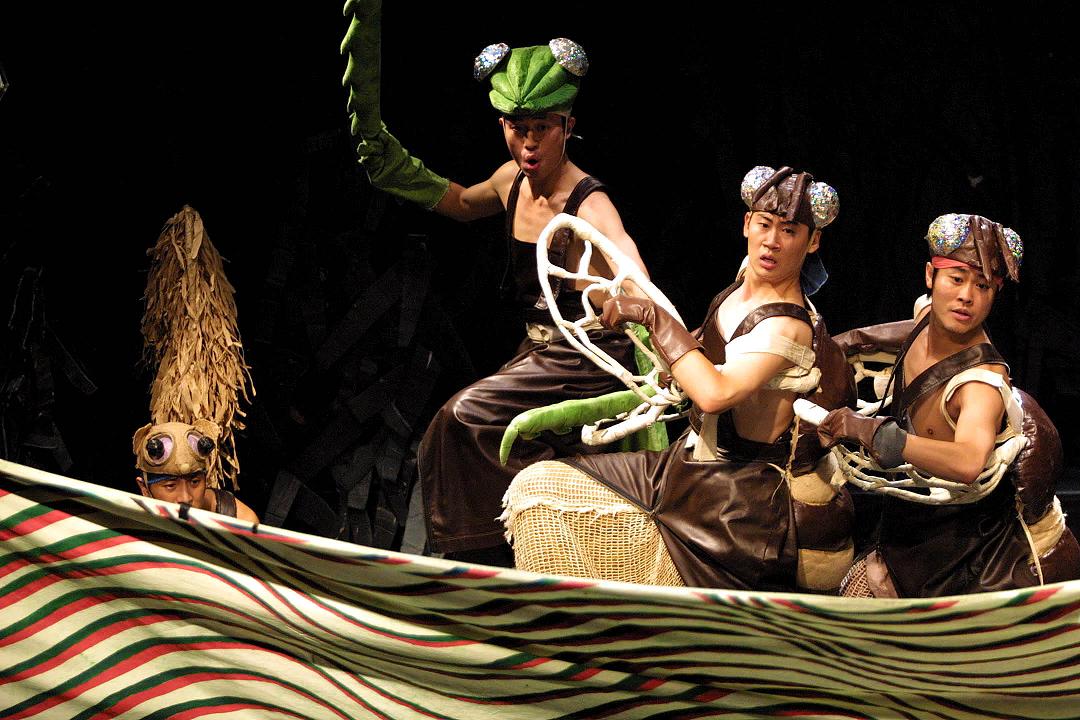
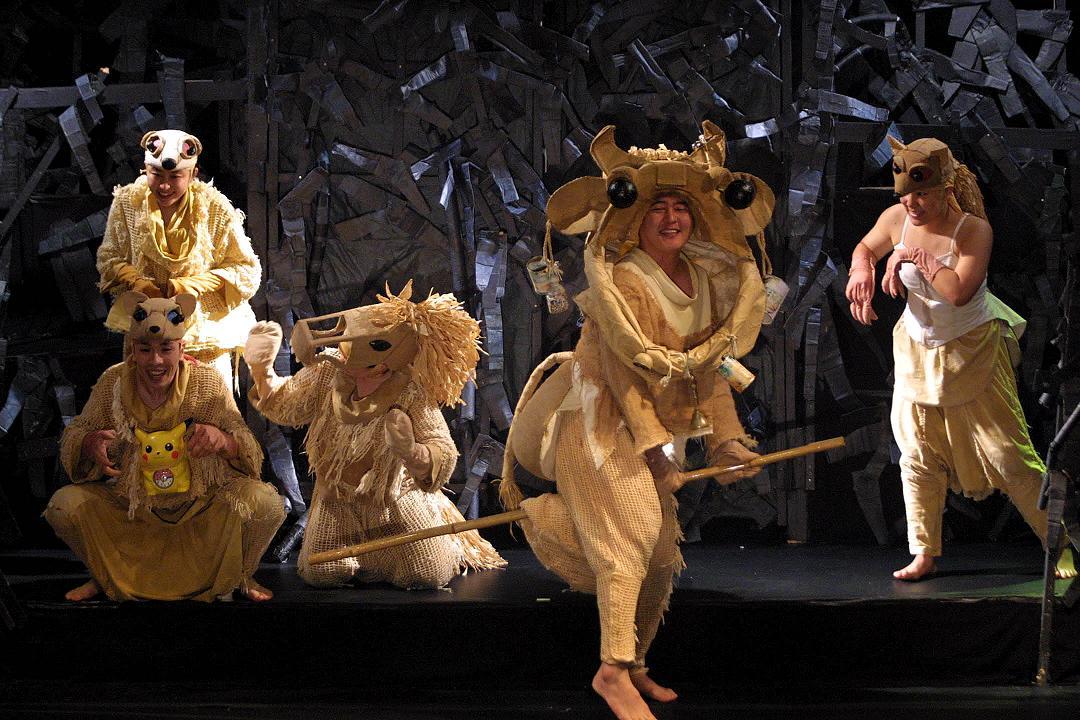
The work is a humorous tragedy with 10 auspicious animals trying to protect their land, the DMZ. When the animals hear people are going dig all the mines out in order to develop the land for the construction of a railroad, the animals know another battlefield is going to happen in the end.
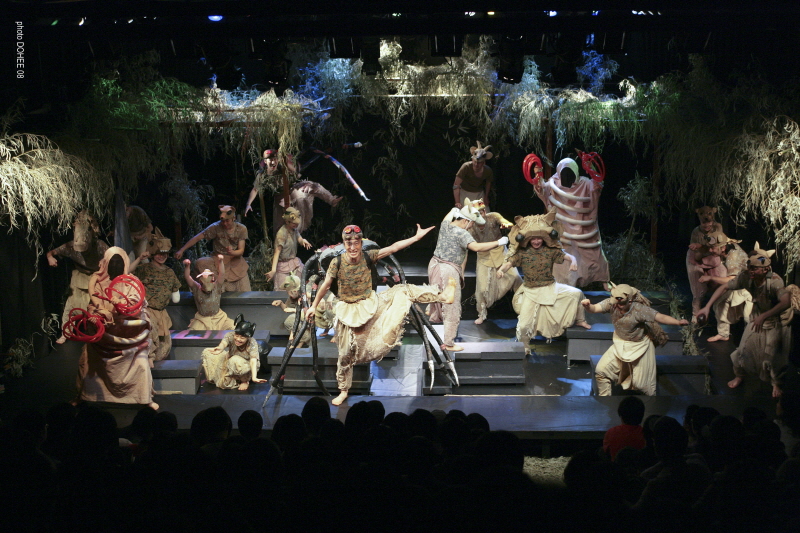
They revive the young soldiers who died in the Korean War and ware buried at DMZ. Through this act, they help North and South Korea forget their ideological conflicts and induce people to build an underground tunnel instead, so that the animals can keep DMZ as an eternal safe zone. The animals' innocent and pure respect for nature warns the danger of destroying it under the name of 'development'.
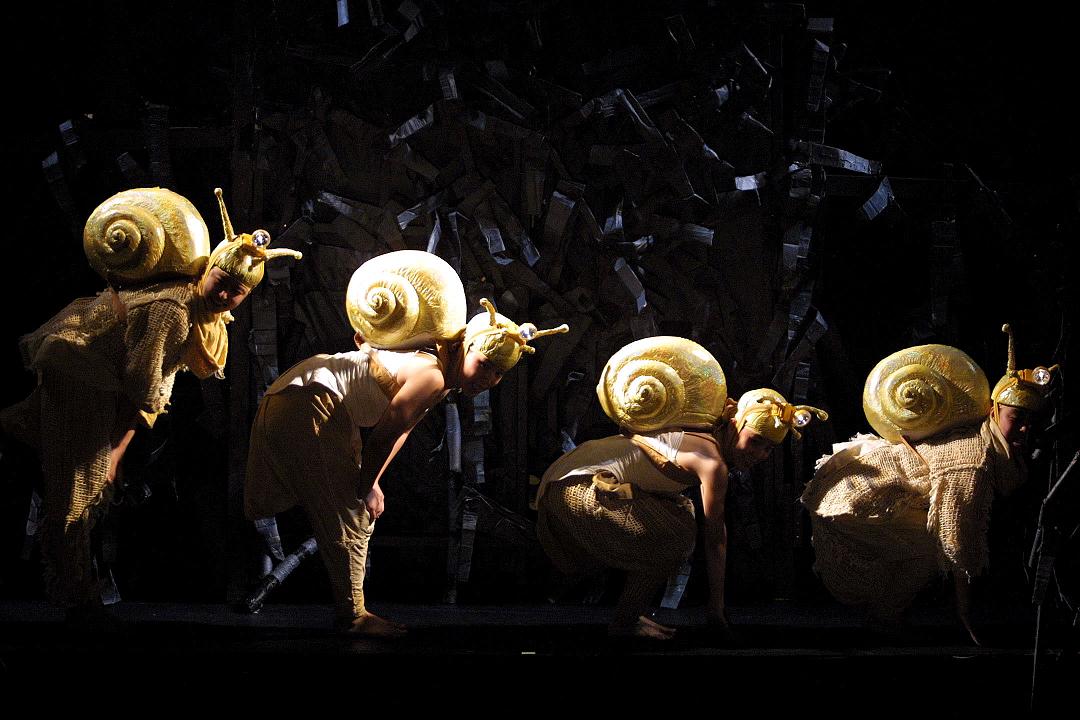
The play borrows animals' eyes to look into the past, present and the future of Korea. The DMZ in this play is beyond the symbol of division and war; it is an imaginative and mysterious place, where animals in fairy tales or myths such as deer, ponies, goats, donkeys, mandarin ducks try to keep safe and untouched.